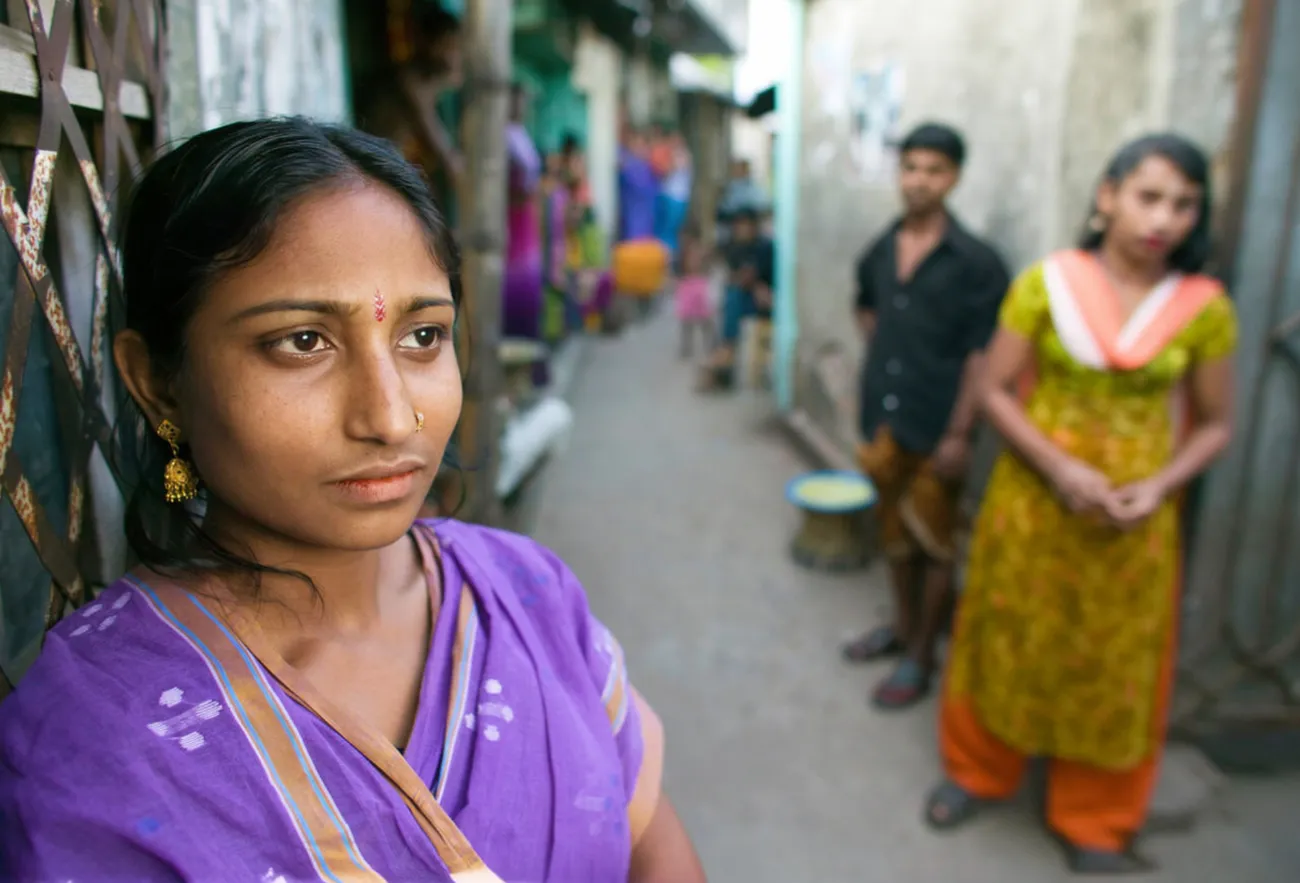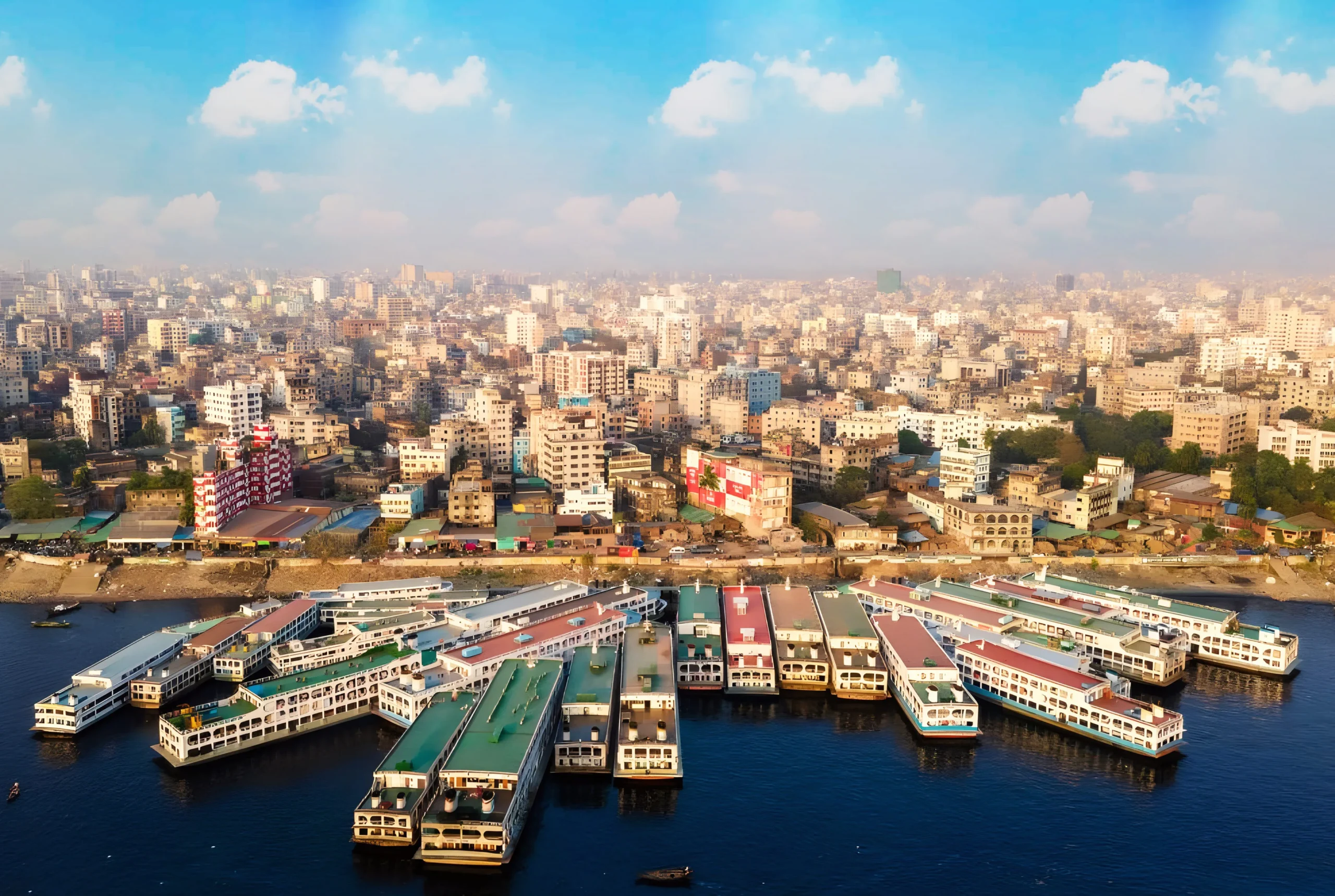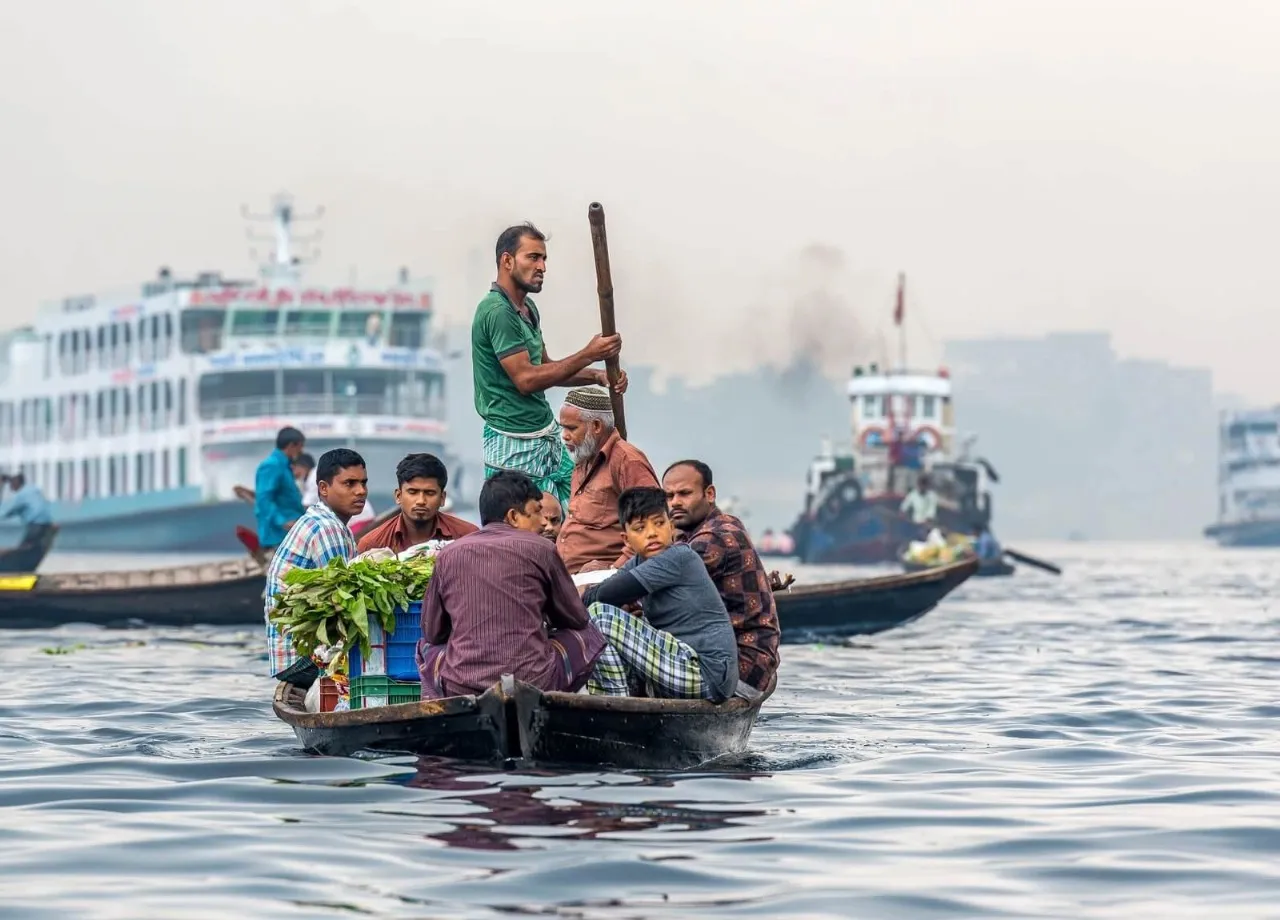
The morning sun rises over the slow-moving muddy currents of the Padma River, casting an amber glow on the endless maze of corrugated tin roofs that form the Daulatdia megabrothel. To the outside traveller waiting at the nearby terminal, the settlement looks like an impenetrable, chaotic slum. But inside its gates, a deeply insular community of women wakes up, preparing to navigate a fragile daily routine built entirely on survival, motherhood, and quiet defiance.
To truly understand this parallel world, one must step past the legal paradoxes and political headlines. What does a day in the life of sex workers in Bangladesh actually look like when the curtains are drawn, and the music stops?
Dawn: The Domestic Routine Behind Walled Villages
For the estimated 1,500 registered residents of Daulatdia, the day does not begin with clients’ arrival. It begins with the domestic rhythms common to any traditional Bangladeshi village.
At 6:00 AM, before the dust of the ferry terminal begins to stir, the alleys echo with the scraping of homemade bamboo brooms and the crackle of firewood. Women step out into the narrow pathways to wash clothes at communal tube wells, exchange local gossip, and cook breakfast. For a few quiet hours, the residents cast aside the identity of a dehoposharini (sex worker) and embrace their roles as mothers, neighbours, and homemakers.
Historically, oppressive social hierarchies forced these women to walk barefoot as a mark of absolute social degradation. Today, they wear their slippers proudly, navigating the mud-slicked paths to local stalls to buy fresh vegetables, lentils, and river fish. They manage their households with fierce independence, ensuring their mornings begin with a sense of order and structure before the demands of their trade take over the village landscape.
Midday: The Struggle for Motherhood and Legitimacy
By late morning, the community’s focus shifts entirely to the next generation. More than 20,000 children grow up across Bangladesh’s 14 registered red-light districts. For these mothers, the afternoon hours represent a crucial battleground for their children’s future.
Historically, the state denied public education to children born inside these walls because mothers could not legally name a father on official documentation. Today, thanks to decades of intensive human rights advocacy by grassroots collectives, mothers register their children exclusively under their own names.
Around noon, mothers walk their young children to primary schools run by non-governmental organisations (NGOs) inside the brothel gates. For older children, mothers make the exhausting journey to external municipal towns. They deliberately use fake names or vaguely state their address as “Daulatdia Bazar Purbo Para” to shield their children from the crushing social stigma that would instantly disqualify them from a high school education.
While the children sit in classrooms, many women spend their afternoon travelling to the nearest magistrate’s court. They must update their mandatory legal affidavits—a bureaucratic ritual in which adult women swear under oath that they have chosen this profession voluntarily because no other livelihood exists. They navigate this complex legal system with striking literacy, using the law as a shield to protect their right to exist within the municipality.
Dusk: Transformation and the Arrival of the Trade
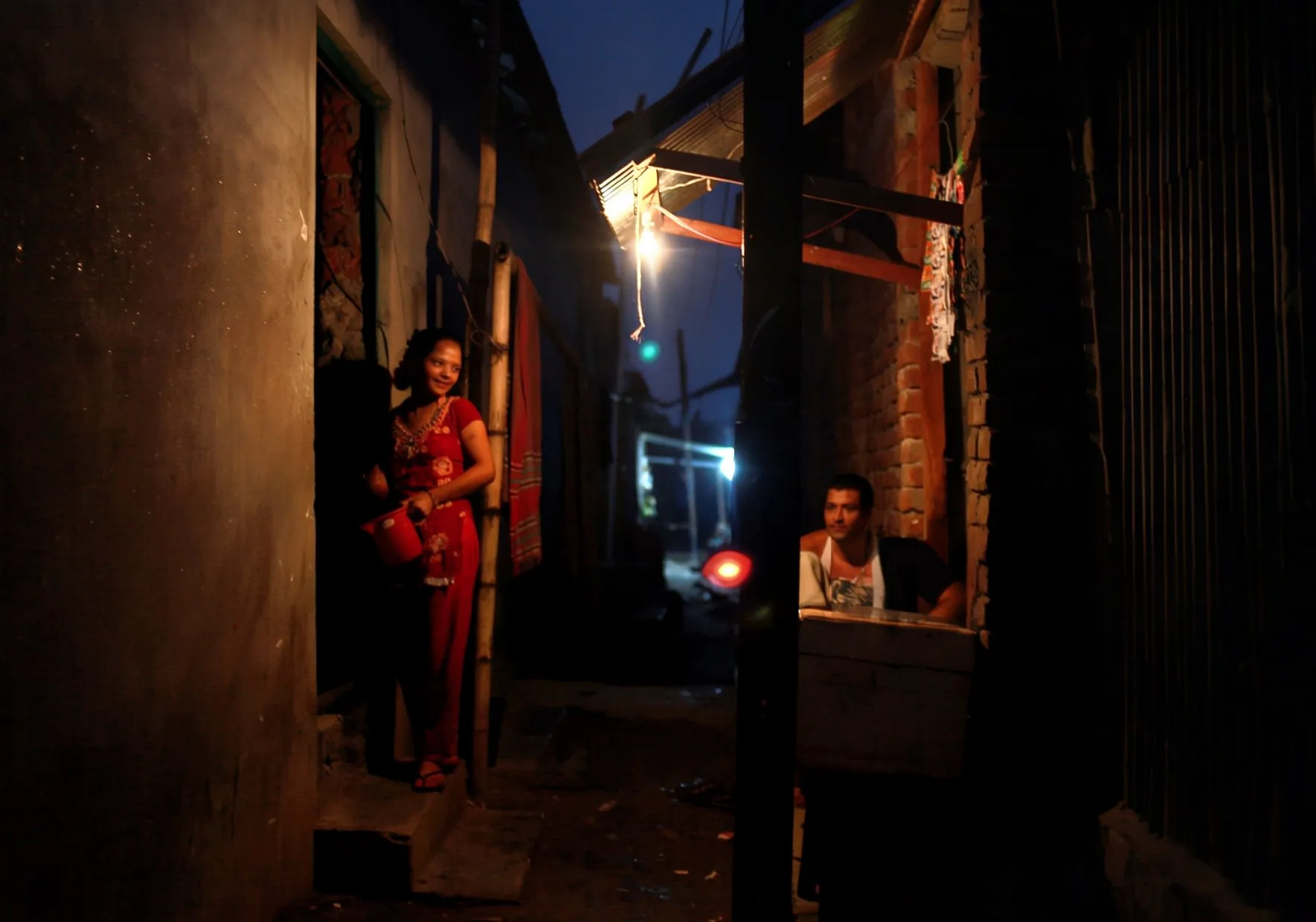
As the sun dips below the river horizon and the call to prayer rings out from the local station mosque, the atmosphere inside the village shifts drastically. The domestic sanctuary dissolves, replaced by the high-octane visual energy of a maritime night market.
Neon fluorescent bulbs flicker to life along the tin eaves, casting long shadows across the packed-earth alleys. Women retreat into small, divided rooms to transform themselves. They apply heavy makeup, drape themselves in vibrant, shimmering silk saris, and clip gold-coloured jewellery into place. They prepare their workspace with deliberate care, lighting incense sticks to mask the scent of damp earth and river silt.
By 6:00 PM, thousands of clients begin flooding through the settlement’s heavy iron gates. At Daulatdia, a heavy influx of cross-river truck drivers, cargo hauliers, and travellers stranded by ferry delays pour into the labyrinth. In coastal hubs like Banishanta, regional sailors and dockworkers arrive from the nearby Mongla seaport. The alleys fill with a wall of sound—the roar of truck engines, loud Bengali cinema music, shouting street vendors, and intense bartering over room prices.
The women take their positions along the narrow corridors, actively engaging with potential clients. They display sharp business acumen, negotiating prices, assessing the sobriety of the incoming crowd, and managing the rapid flow of cash in a fast-paced environment.
Midnight: Navigating Safety in a Hidden Economy
The late-night hours bring the most lucrative financial opportunities, but they also introduce the highest operational risks. A sex worker’s night involves a constant calculation of safety and threat. She must independently negotiate safe-sex practices, handle intoxicated patrons, and navigate the constant threat of customer violence or extortion by corrupt local actors.
Behind the heavy curtains, the financial reality remains incredibly stark. While independent, older workers keep their earnings to feed their families and pay rent, younger women and new arrivals face severe debt bondage. Under the watchful eye of a Sardernee (female madam), a significant portion of the nightly cash collected goes immediately to pay off inflated, artificial debts for shelter, clothing, and daily meals.
Despite the constant noise and competitive nature of the market outside, the women maintain a fierce internal sisterhood. If a client becomes violent or abusive in one room, the thin tin walls allow neighbouring women to hear the distress immediately. They quickly intervene as a collective unit, pooling their physical strength to protect one of their own from harm. This organic safety network serves as their primary line of defence in a world that frequently denies them institutional police protection.
Dawn Returns: A Quiet Triumph of Dignity
As the clock ticks toward 4:00 AM, the crowds thin out, the neon lights turn off, and the ferry terminal quietens down. The women wash away their heavy makeup, hang up their silk saris on wooden pegs, and finally rest their tired bodies.
For generations, a day in the life of these women ended with a profound sense of isolation—even in death. Religious authorities routinely refused to perform traditional Islamic funeral prayers (Janazah) for deceased sex workers, treating their bodies as outcasts. But today, the community takes comfort in a historic shift. Following years of grassroots labour organising, formal burials and religious final rites now occur legally and respectfully within the communities.
The historic brothels of Bangladesh remain places of undeniable hardship, yet every single sunrise inside their walls proves the quiet, enduring triumph of human survival. The women who inhabit these spaces do not view themselves as mere victims; they operate as active agents of their own destiny, rewriting the rules of endurance in the heart of the delta.
Disclaimer: This narrative blog post is designed for educational, socio-historical, and human-interest mapping purposes. It focuses on the lived experiences within registered socio-legal zones in Bangladesh.
Experience Authentic Bangladesh Through Responsible Travel
Every corner of Bangladesh tells a story of incredible human resilience, rich heritage, and enduring community spirit. When you book a private tour with Panorama Bangladesh, you are choosing an ethical travel partner committed to sustainability, local community welfare, and 100% transparent pricing. We completely skip commission-based shopping detours to focus entirely on meaningful, unscripted cultural encounters that give back directly to the people of the delta.
Professional Coordination for Journalists & Social Workers:
If you are a media professional, journalist, researcher, or NGO worker looking to document, study, or support these specific communities, we are here to assist you. We understand the complex security dynamics and ethical sensitivities of these environments. Our team can manage your entire itinerary, handle local administrative permits, connect you with verified local translators, and ensure smooth, hassle-free logistics from start to finish.