
Days
Historical
7 Nights
Khulna
Oct. - Feb.
2 People
Included
Private
Excluded
Full Time
English
12+ Years
Moderate
Included
Dhaka
Dhaka
Southern Bangladesh unfolds like a forgotten river epic. In this landscape, ancient mosques emerge from emerald rice fields, sleepy waterways carry century-old ferries through the night, and stories of poets, mystics, revolutionaries, and traders still linger in the humid delta air. This private 8-day Exploring Khulna Tour travels far beyond the usual tourist routes, weaving together Bengal’s spiritual heritage, river culture, colonial history, and untamed wilderness into one deeply immersive experience.
The adventure begins in the quiet countryside, at the remarkable Patrail Jame Masjid, where rows of domes and terracotta brickwork stand amid ponds and palm trees. Nearby rises the extraordinary Mathurapur Deul, one of the country’s tallest and most mysterious Hindu temple structures, its intricate carvings weathered beautifully by centuries of monsoon rains. As the journey continues south, you step into the UNESCO-listed historic Mosque City Bagerhat, where moss-covered brick monuments and silent courtyards recall the glory of Bengal’s Sultanate era. From there, the waterways lead toward the Sundarbans — the largest mangrove forest on earth — where narrow creeks disappear beneath tangled roots and the jungle hides spotted deer, crocodiles, kingfishers, river dolphins, and perhaps even the elusive Royal Bengal Tiger.
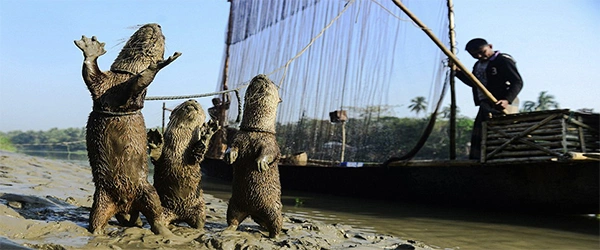
Yet the soul of this journey lies equally in the people and stories of Bengal. In Narail, you witness the vanishing tradition of otter-assisted fishing, where trained otters help fishermen herd fish into waiting nets — a practice found in only a handful of places on earth. In the Michael Madhusudan Dutta Memorial, you step into the birthplace of Bengal’s great poet and dramatist, surrounded by tranquil village scenery that inspired his writings. The spiritual atmosphere deepens at Lalon Akhra, where wandering Baul musicians still sing mystical songs beneath ancient trees. At Shilaidaha Kuthibari, riverside silence and soft light evoke the world that shaped Rabindranath Tagore’s poetry and songs. The journey then traces the birth of Bangladesh at the Mujibnagar Memorial before ending beside the mighty Hardinge Bridge, where steel arches span one of South Asia’s greatest rivers—a fitting finale to a journey through the landscapes, legends, and living soul of Bengal.
💡 Pro Tip: Unlike conventional heritage tours that focus solely on monuments, this journey weaves Bengal’s spiritual, literary, and revolutionary landmarks into a single, continuous narrative across southern Bangladesh. From the devotional atmosphere of Lalon Akhra and the poetic silence of Shilaidaha Kuthibari to the historic weight of Mujibnagar and the engineering grandeur of Hardinge Bridge, each stop is experienced with context, storytelling, and space to absorb its deeper meaning rather than just a quick visit.
🛕 Jeshoreswari Temple: Visit one of the Hindu sacred Shakti Peeth temples, deeply connected to spiritual heritage.
🕌 Miyar Dalan: Explore a Mughal-era riverside residence heritage, blending Islamic and Bengali architectural styles.
🎥 YouTube Village: Meet rural content creators transforming village life into viral stories using creativity & phones.
Day 1 – Sultanate Mosques, Temple Towers & Rural Landscapes
Leave Dhaka behind and enter a Bangladesh that most travellers never experience. As the capital slowly dissolves into rice paddies, fishing ponds, and village bazaars, the journey itself becomes part of the adventure. Smoke curls from roadside tea stalls, ferries drift across narrow rivers, and life moves to a slower rhythm beneath endless open skies.
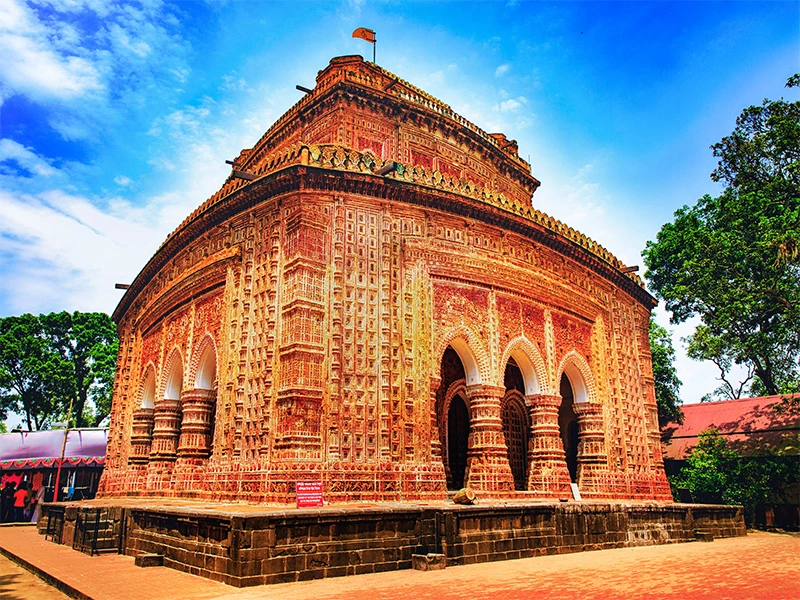
Your first major discovery is the extraordinary Patrail Jame Masjid (Dighirpar Masjid), a forgotten Sultanate-era masterpiece hidden deep in the countryside. With rows of ancient domes, weathered terracotta brickwork, and almost no visitors, the mosque feels like an archaeological secret lost in time. Surrounded by palms, ponds, and birdsong, it offers one of the most atmospheric locations for photography in southern Bangladesh.
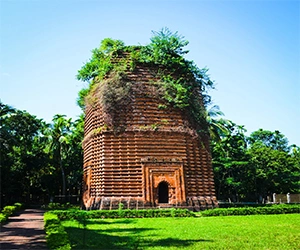
The road then leads to the towering Mathurapur Deul, one of the tallest surviving Hindu temple towers in Bangladesh. Rising dramatically above emerald-green fields, it features terracotta carvings that tell stories of mythology, village life, and Bengal’s artistic past. The contrast between the monumental structure and the peaceful rural setting creates a cinematic experience that few visitors ever witness.
After a traditional Bengali countryside lunch, continue south toward Khulna as rivers widen, ferries multiply, and the wetlands of Bengal begin to dominate the horizon. By evening, arrive in Khulna—the gateway to the Sundarbans.
Day 2 – UNESCO Bagerhat & The Lost Mosque City of Bengal
Today, you are immersed in one of South Asia’s most extraordinary historical landscapes: the UNESCO-listed Mosque City of Bagerhat. Founded in the 15th century by the legendary Khan Jahan Ali, this medieval city once flourished as a centre of trade, Islamic scholarship, and spirituality.
The highlight is the magnificent Sixty Dome Mosque, where endless stone pillars recede beneath rows of graceful domes, a testament to Bengal’s greatest architectural achievement. Soft filtered light, cool stone floors, and centuries of silence create an atmosphere both monumental and deeply spiritual.
Beyond the main mosque, you explore hidden reservoirs, ancient brick structures, moss-covered shrines, and quiet village paths that reveal the scale of this forgotten medieval city. At the shrine complex of Khan Jahan Ali, enormous sacred crocodiles glide silently through dark waters. At the same time, pilgrims gather beneath ancient trees, blending folklore, faith, and history into one unforgettable stop.
The day also includes Ajoddha Math (Kodla Moth), a peaceful Hindu temple complex rarely visited by tourists, adding another cultural layer to the journey.
After a rich southern Bengali lunch, return to Khulna city and visit the regional museum to better understand the archaeology, river culture, and layered history of southwest Bangladesh before another comfortable overnight stay.
Day 3 – Sundarbans Expedition: Into the World’s Largest Mangrove Forest
Today is the adventure many travellers dream about—the legendary Sundarbans.
Before sunrise, travel toward Mongla Port and board your private boat for a full-day journey into the largest mangrove forest on earth, home of the Royal Bengal Tiger. Gradually, villages disappear, and the waterways narrow into a maze of silent tidal creeks framed by tangled mangrove roots and dense green forest. This is wild Bangladesh at its rawest and most beautiful.
Watch kingfishers flash across tea-coloured rivers, spotted deer emerge cautiously from the forest edge, crocodiles sunbathe on muddy banks, and rare river dolphins surface unexpectedly beside the boat. Your guide shares stories of honey collectors, fishermen, tiger folklore, and the fragile ecosystem that supports millions of lives across the delta.
At selected forest stations and watchtowers, step ashore for guided nature walks through mangrove wilderness, where every sound—the splash of water, rustling leaves, distant bird calls—feels amplified by the forest’s silence.
Lunch is freshly prepared at a nearby eco resort with serene mangrove scenery along the river. Again, your boat drifts through some of Bangladesh’s most untouched landscapes. As the golden afternoon light spreads across the waterways, the Sundarbans transforms into a photographer’s paradise. Return to Khulna by evening after a day filled with wildlife, river life, and unforgettable scenery.
Day 4 – Otter Fishermen, River Traditions & Tagore’s Bengal
Few travellers in the world ever witness what awaits today. In the river villages of Narail, local fishermen still practise the vanishing tradition of Otter-Assisted Fishing—a centuries-old technique now surviving in only a handful of places globally. From wooden boats, trained otters dive and herd fish toward waiting nets while fishermen communicate through whistles and calls. Watching humans and animals work together with such precision feels almost surreal.
The journey then slows into the poetic landscapes of rural Bengal. Visit peaceful riverside temples, quiet village roads lined with banyan trees, and finally, the beautiful Kuthibari estate connected to Rabindranath Tagore, Bengal’s Nobel Prize-winning literary giant.
Here, beside ponds and gentle river breezes, the atmosphere feels reflective, elegant, and timeless—a striking contrast to the wild energy of the Sundarbans the day before.
Day 5 – Flower Kingdoms, Poets & Hidden Sultanate Architecture
The morning begins in Sagardari village, birthplace of the great Bengali poet Michael Madhusudan Dutta. His ancestral riverside home, set amid giant trees and the quiet village scenery beside the Kopotakkho River, offers a deeply atmospheric glimpse into Bengal’s literary heritage.
Then suddenly the landscape explodes into colour. Welcome to Godkhali Flower Village, Bangladesh’s flower capital. Endless fields of marigolds, roses, gladiolus, and tuberoses stretch toward the horizon in vivid reds, oranges, yellows, and pinks. Farmers prepare flowers for markets nationwide while narrow dirt paths cut through the blooms, creating one of the country’s most photogenic rural scenes.
Hidden nearby lies Gorar Mosque, an elegant but little-visited Sultanate-era structure standing quietly among fields and village homes. Its weathered brickwork and peaceful setting offer yet another glimpse into Bengal’s rich architectural past far beyond the standard tourist trail. After lunch, continue toward Kushtia, a region famous for mystics, poets, folk music, and riverside culture.
Day 6 – Baul Mysticism, Folk Philosophy & Padma River Sunsets
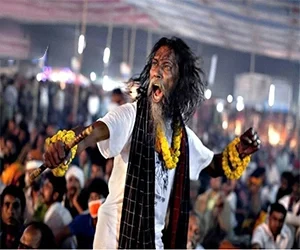
Today, it reveals Bengal’s spiritual soul. At Lalon Akhra, wandering Baul musicians gather beneath giant trees, singing mystical folk songs accompanied by ektara. Their music speaks of humanity, tolerance, spirituality, and freedom beyond religious boundaries. The atmosphere feels intimate, philosophical, and deeply moving.
Your guide introduces the teachings of Lalon Shah, one of Bengal’s greatest spiritual thinkers, whose influence continues to shape music, poetry, and rural culture across Bangladesh.
Later, visit the riverside Shilaidaha Kuthibari, another residence closely connected with Rabindranath Tagore. He wrote many of the poems and songs in this place that forever shaped Bengali culture. Overlooking the mighty Padma River, the elegant estate captures the quiet beauty that inspired many of his literary masterpieces.
As the afternoon softens into evening, enjoy a peaceful boat ride on the Padma River itself. Fishermen cast nets into glowing water while village life drifts slowly along the riverbanks beneath golden skies.
Day 7 – Revolution, Liberation & Colonial Bengal
This day explores the powerful historical forces that shaped modern Bangladesh. At Carew & Company, one of the oldest distilleries in the Indian subcontinent, colonial industry still operates inside ageing factory grounds first established during British rule. The story of the distillery mirrors the region’s own turbulent journey through empire, partition, and independence.
You then visit the historic Atchala Ghar of Karpashdanga, closely associated with Bangladesh’s National Poet Kazi Nazrul Islam. Beneath old trees and village silence, stories emerge of revolutionary poetry, anti-colonial activism, and Bengal’s intellectual awakening during the 1920s.
At Mujibnagar, emotion and history converge. This was the birthplace of Bangladesh’s provisional government during the 1971 Liberation War. Monuments, memorials, and sculptures commemorate one of the country’s defining moments in its struggle for independence.
Nearby, the haunting ruins of Amjhupi Nilkuthi reveal the darker legacy of colonial indigo plantations and the exploitation of peasants under British rule. Surrounded by quiet fields and fading colonial buildings, the site offers a sobering but essential chapter of Bengal’s rural history.
Day 8 – Great Rivers, Ferry Life & The Road Back to Dhaka
Your final day celebrates the immense river systems that shape Bangladesh itself. Begin beside the mighty Hardinge Bridge, one of South Asia’s great engineering achievements spanning the vast Padma River. Trains rumble overhead while fishing boats drift across waters so wide they resemble an inland sea.
Farther north, Daulatdia Ferry Ghat reveals Bangladesh in full motion. Trucks, buses, ferries, livestock, tea sellers, mechanics, and thousands of travellers move together in a spectacular choreography of organised chaos. It’s loud, raw, energetic, and completely unforgettable.
Along the way, your guide carefully shares the social history and human realities of the ferry economy and the surrounding brothel communities, offering thoughtful insight into a side of Bangladesh few outsiders truly understand.
As the road gradually returns to Dhaka’s expanding skyline, the journey comes full circle. Over eight unforgettable days, you’ve crossed mangrove wilderness, medieval mosque cities, poetic river landscapes, flower kingdoms, Baul spiritual centres, and hidden villages untouched by mass tourism.
This is not simply a sightseeing trip—it’s a deep journey through the many layers of Bengal itself.
🔒 Exclusive Khulna, Jessore & Kushtia Discovery – Affordable Private Experience
💲 Start: The first 1–2 guests are a flat fee of $ USD total
➕ Add-On: Each additional guest (up to 2 more) is $ USD per person
👥 Group Size: A maximum of 6 guests is allowed on regular departures
🚐 Custom Tour? Solo, groups & families — contact us for a personalised quote.
Your Day, Your Way – A Fully Tailored Tour for Ultimate Experience
 Special Offer
 Fair Pricing Promise
 Free Rescheduling & Cancellation
🔍 Seeking a Guaranteed Fixed Departure or Tailored B2B Tours in Bangladesh?
We’ve got you covered.
 www.bangladeshunbound.com |
  info@bangladeshunbound.com |
  WhatsApp: +880 1601-652679
 Transfers & Arrival Support
 Accommodation & Lodging
 Guides & Local Support
 Transports & Tickets
 Sightseeing & Excursions
 Rides & Local Experiences
 Meals & Refreshments
 Safety & Assistance
 Travel Documents & Insurance
 Optional Purchases & Services
 Food & Personal Expenses
 Baksheesh & Donations
 Essential Trip Information: Know Before You Go
🛺 Transport & Accommodation: Travel & Stay Details
 National Parks & Trails: Nature & Wildlife Insights
 Practical Travel Information: Comfort & Logistics
 Safety & Expectations: Travel Smart & Stay Flexible
🤝 Ethical, Community First Travel: We ensure fair pay for guides, drivers, boat crews, artisans, and local families. We support community-led enterprises and ethical craft traditions with dignity and respect.
🗑️ Leave No Trace: We minimise waste on every tour and take out everything we bring in. Nature and communities remain exactly as we found them—or better.
🐦 Wildlife Comes First: No baiting, no chasing, no disturbance. We avoid flash photography around animals and always respect ethical viewing distances.
🕌 Cultural Respect Always: Dress modestly in sacred spaces, behave respectfully, and ask permission before taking close-up portraits of people—especially elders, artisans, and children.
🌱 Carbon-Aware Travel: We prioritise CNG-Powered and Fuel-Efficient (Hybrid) vehicles whenever possible. Remaining emissions are offset through local tree-planting initiatives in Bangladesh.
Q: How much driving is involved?
This is a road-trip-style historical expedition across western and southern Bangladesh, so several days involve moderate-to-long drives (typically 3–6 hours).
Bangladesh is densely crisscrossed by rivers, ferries, and evolving infrastructure, so some travel days are longer than in many other countries. However, the itinerary is carefully paced with scenic stops, cultural experiences, tea breaks, and river journeys to keep travel immersive rather than exhausting.
Q: What wildlife might we see in the Sundarbans?
Common sightings include spotted deer, crocodiles, kingfishers, eagles, mudskippers, monkeys, and river dolphins. Royal Bengal Tiger sightings are extremely rare and never guaranteed.
Q: Is the otter fishing experience ethical?
Yes. We only visit traditional fishing families who continue this heritage practice naturally as part of their livelihood. The visit is respectful, educational, and community-focused.
Q: Is this tour suitable for first-time visitors to Bangladesh?
Absolutely. This journey is designed for culturally curious travellers who want to experience Bangladesh deeply but comfortably. You travel with a private guide, private vehicle, carefully selected accommodations, and a well-paced itinerary that balances history, nature, river life, and local encounters.
Q: How physically demanding is this tour?
The tour is generally moderate and suitable for most travellers with average fitness. There are light walks at archaeological sites, village roads, ferry ghats, mosque complexes, and nature areas. Sundarbans walks are easy and guided. Comfortable walking shoes are strongly recommended.
Q: Is the Sundarbans portion private?
Yes. Your Sundarbans experience uses a private boat arrangement for a more flexible, quieter, and immersive journey through the mangrove waterways.
Q: Is the Sundarbans portion safe?
Yes. You visit safe, authorised visitor zones inside the Sundarbans with experienced local boat crews and guides. Wildlife sightings are possible, but forest authorities carefully manage tourist routes.
Q: Will we really see Royal Bengal Tigers?
Tiger sightings are extremely rare, even for locals. The Sundarbans experience is more about the atmosphere of the mangrove wilderness, wildlife tracking, river life, birds, deer, crocodiles, dolphins, and the incredible ecosystem itself.
Q: What kind of boat is used in the Sundarbans?
You travel on a private, reserved country boat or a tourist vessel, depending on group size and availability. Boats include shaded seating, rest areas, life jackets, and experienced crew members familiar with tidal river navigation.
Q: What are the accommodation standards during the tour?
You stay in carefully selected, comfortable hotels and, where available, heritage-style accommodations. Rooms include air conditioning, western bathrooms, and breakfast. In smaller regional towns, standards may be simpler than those of international luxury hotels, but remain among the best available locally.
Q: Are accommodations comfortable?
Yes. We use the best available local standard hotels in Khulna, Jessore, and Kushtia, prioritising cleanliness, safety, location, air conditioning, and western-style facilities.
Q: What kind of food is included?
Expect authentic Bengali cuisine, including freshwater fish, lentils, seasonal vegetables, rice dishes, and regional specialities. Vegetarian options are always available with advance notice.
Q: Is the food safe for international travellers?
Yes. We prioritise hygienic restaurants and trusted local eateries throughout the journey. Bottled water is provided daily, and your guide helps you safely enjoy regional dishes, sweets, seafood, and traditional Bengali meals.
Q: Can vegetarian or dietary requirements be accommodated?
Yes. Vegetarian meals are easy to arrange, and vegan or mild-spice preferences can usually be accommodated with advance notice.
Q: What makes this tour different from a standard Bangladesh itinerary?
Most Bangladesh tours focus only on Dhaka or the Sundarbans. This itinerary connects the country’s hidden layers: Sultanate architecture, UNESCO-listed mosque cities, river culture, Baul mysticism, flower villages, Tagore heritage, Liberation War history, and remote rural traditions that few foreign travellers ever experience.
Q: Is photography allowed throughout the trip?
Yes — this tour is exceptionally photogenic. From floating river life and flower fields to mosque architecture and village portraits, there are endless opportunities for photography. Your guide will advise where permission is needed, especially around people, religious spaces, or sensitive areas.
Q: Will we interact with local communities?
Naturally and respectfully, yes. Many highlights of this tour come through small encounters: tea stalls beside ferries, Baul musicians, fishermen, flower farmers, village artisans, and local families along riverbanks. Interactions are organic rather than staged.
Q: Is this a private tour only?
Yes. Panorama Bangladesh operates this journey exclusively as a private experience. You never join strangers, allowing flexible pacing, customised stops, and a far more personal connection with the country.
Q: What is the best season for this itinerary?
November to February offers the most comfortable temperatures and clear skies. July to September creates dramatic river scenery, lush green landscapes, floating markets, and vibrant monsoon photography opportunities.
Q: Can the itinerary be customised?
Yes. As this is a private tour, we can adjust pacing, photography focus, accommodation upgrades, cultural depth, additional river cruises, or special-interest experiences before arrival.
 Private Experience Only – This is a fully private tour designed just for you. No mixed groups, no rigid schedules.
 Hidden Heritage Access – Our licensed guides take you beyond the obvious, showing you what most never see.
 Expert Local Guides – Our English-speaking guides combine historical knowledge, storytelling & cultural insight.
 No Shopping Detours – We never waste your time in commission-based shops. Spend your time in exploration.
 Cosy Private Transport – Travel in a clean, air-conditioned vehicle with a professional driver for a safe journey.
 Photographer-Friendly – The itinerary is thoughtfully crafted with great photo opportunities all day long.
 Flexible Pacing – Travel at your own pace. You decide where to linger, take full control throughout the tour.
 International Travellers Focused – Our tours balance history, culture, comfort, and authentic local encounters.
Transparent Pricing – No hidden costs. Entry tickets, guiding, transport, and experiences are all included.
🚗 Reserve your Private Exploring Khulna Tour today.
We’re happy to tailor the journey to your interests.
Get in touch with us anytime for a quick quote and custom tweaks.
📧 info@panoramabangladesh.com | 📱 WhatsApp: +880 1601-652669
Per/Person* From


1 Full Day
6+ Activities
2 People
15+ Marvels
From
1 Full Day
6+ Activities
2 People
12+ Marvels
From

⭐ Reviews 5/5

6 Nights
10+ Activites
2 People
25+ Marvels
From


Reviews 5/5

⭐ Reviews 5/5