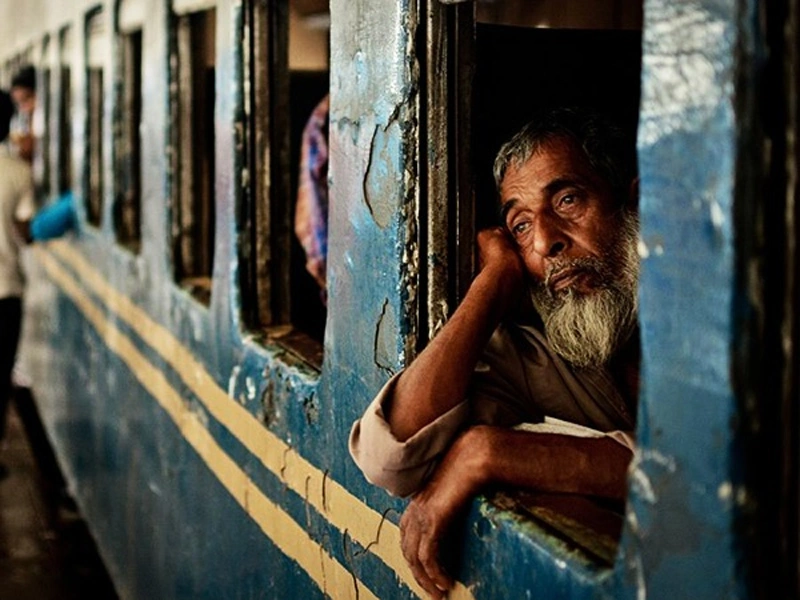

When most Western travellers think of South Asia, they typically think of India, Nepal, or Sri Lanka. Between these more famous neighbours lies Bangladesh—a country many overlook but that quietly over-delivers. With emerald rice paddies, a labyrinth of rivers, ancient mosques, tribal cultures, and the world’s largest mangrove forest, Bangladesh offers an authenticity that’s increasingly rare in today’s tourism hotspots.
For first-time visitors, you step into a land of hospitality, colour, and contrasts: rickshaws outnumber cars, fishermen still cast nets by hand, and temple bells ring alongside the call to prayer. To truly experience Bangladesh, you move beyond headlines and stereotypes and walk into a country that welcomes travellers with open arms.
This Bangladesh travel guide for first-time visitors walks you through everything you need before your first visit—covering safety, culture, transportation, food, must-see highlights, itineraries, and insider tips that turn your journey into something unforgettable.
Why Visit Bangladesh?
• The Last Untouched Gem of Asia
Unlike Thailand or India, Bangladesh hasn’t yet felt the full force of mass tourism. You don’t navigate endless packaged resorts or backpacker enclaves. Instead, you encounter real life—villagers invite you for tea, children eagerly practise English with you, and markets still exist for locals rather than tour buses.
If you crave travel experiences that feel fresh and unscripted, Bangladesh tourism delivers. Even a simple walk through a bazaar can turn into a highlight of your trip. Locals don’t treat you as a number; they welcome you as a guest.
The curiosity and warmth of Bangladeshi people often lead to spontaneous conversations and invitations that become your favourite memories. Because large-scale tourist infrastructure hasn’t taken over, your interactions remain genuine and personal, and every day offers opportunities for authentic cultural exchange.
• Diversity of Landscapes
For a relatively small country, Bangladesh packs in a striking variety. In a single trip, you can:
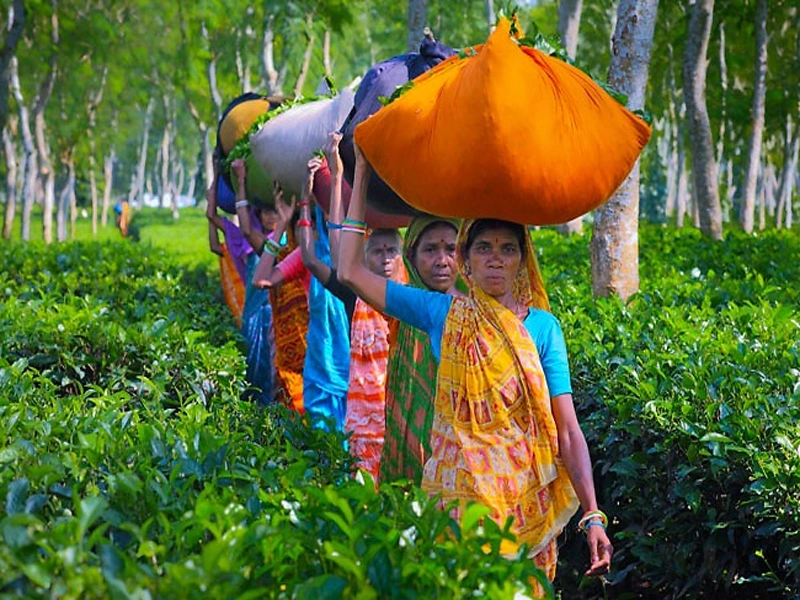
– Wander through the rolling tea gardens of Sylhet
– Walk the windswept beaches of Cox’s Bazar
– Cruise through the mangrove maze of the Sundarbans
– Visit tribal villages in the Chittagong Hill Tracts
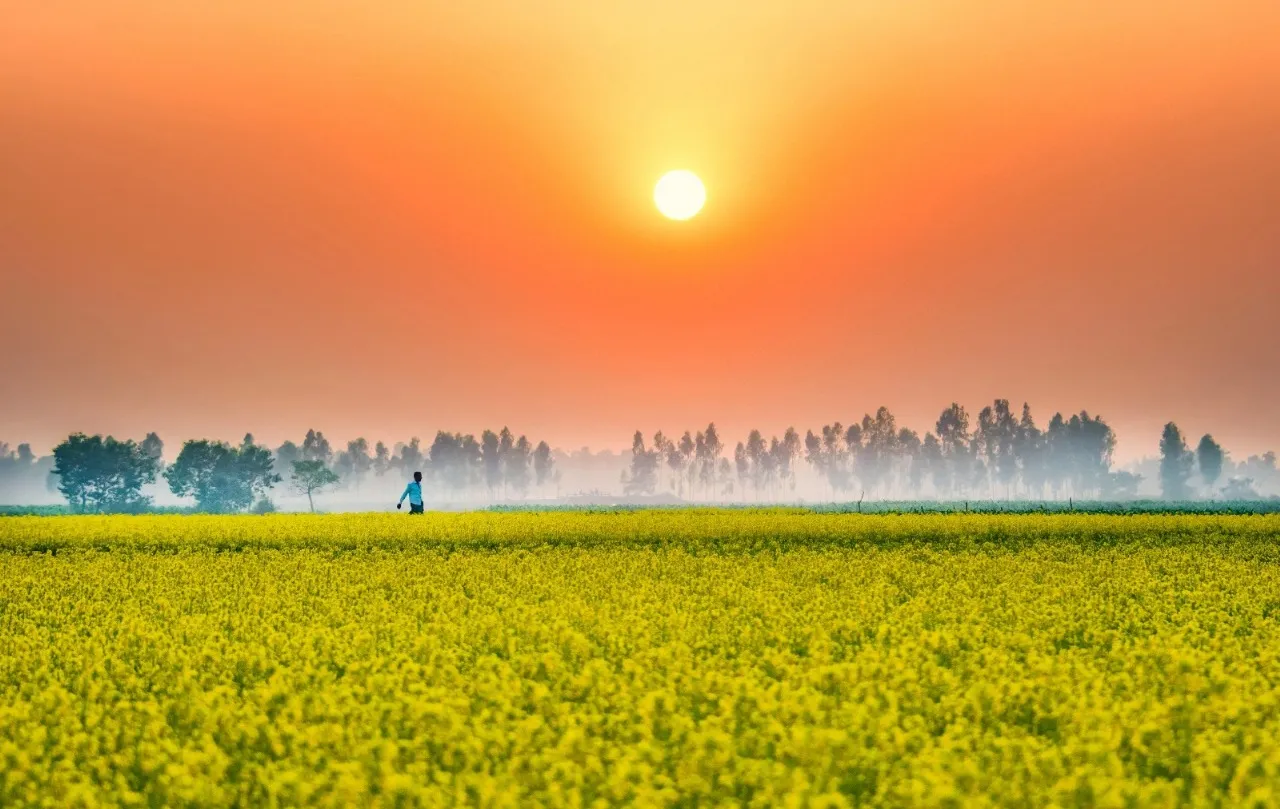
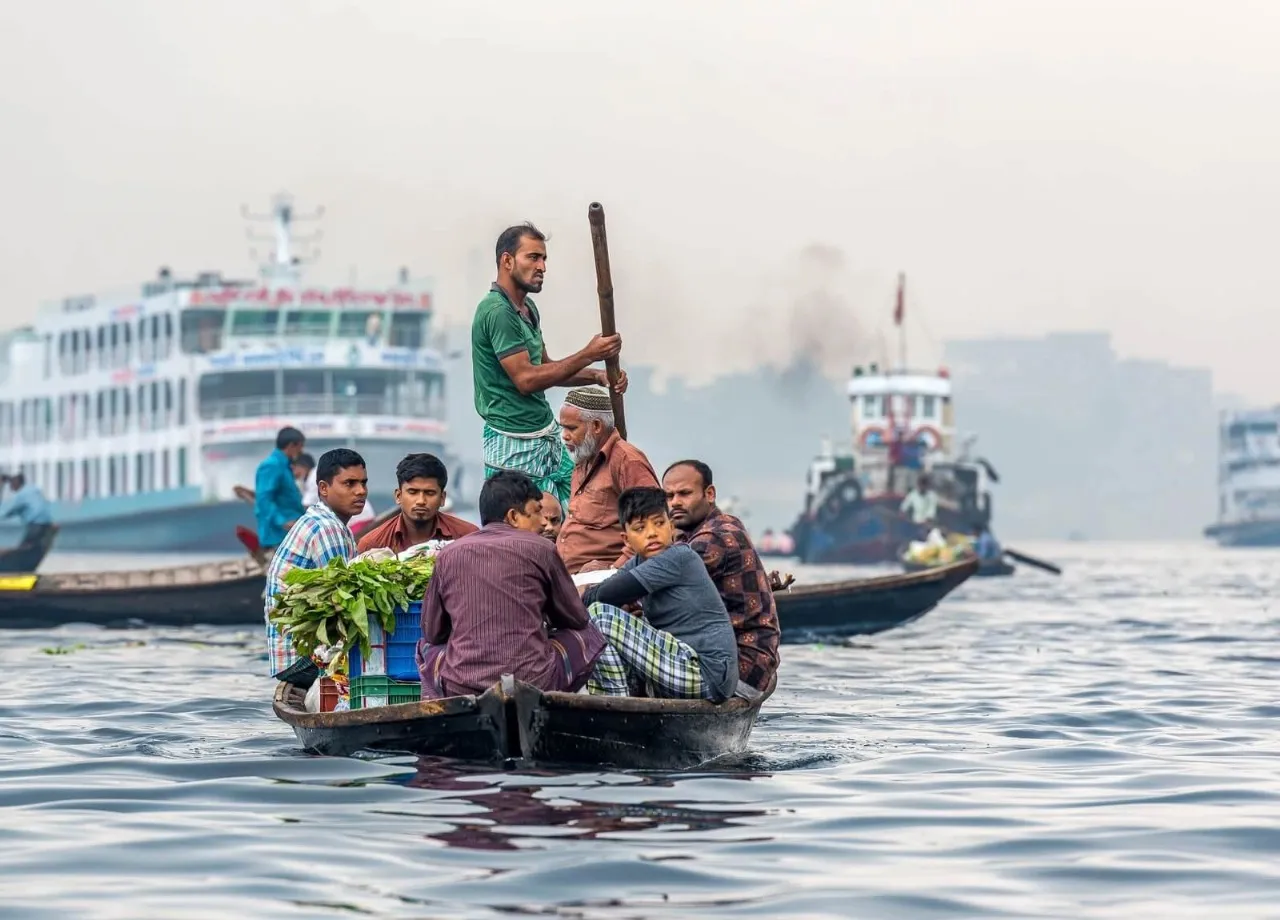
The vast Ganges–Brahmaputra Delta shapes the country with rivers, wetlands, and fertile plains. Life revolves around water: river ferries, fishing boats, and riverbank markets animate the landscape from dawn to dusk. As you travel, the scenery shifts dramatically—from misty hills and forested plateaus to shimmering rice fields and long coastal horizons.
• Cultural Richness
Bangladesh has a heritage older than that of many European nations. Ancient Buddhist temples, Mughal-era mosques, and colonial mansions stand alongside vibrant festivals like Pohela Boishakh (Bengali New Year) and Durga Puja.
Each region tells a different story. In Sylhet, you encounter Sufi saints and spiritual shrines. In Bagerhat, Islamic architecture reveals the glory of medieval Bengal. In the Hill Tracts, tribal traditions and languages provide a distinct cultural lens. You see this history in architecture, hear it in folk music, and feel it in everyday rituals.
As the heart of ancient Bengal, a central trading hub, and a centre of learning, this region absorbed and transformed influences over centuries. Today, that legacy lives on in UNESCO Bangladesh heritage sites, old towns, shrines, and palaces that keep Western visitors exploring “just one more” site.
• Affordable Travel
Many Western travellers are pleasantly surprised by how far their budget goes in Bangladesh. A tasty local meal can cost less than USD 3, and comfortable guesthouses and mid-range hotels usually cost far less than equivalents in Europe or North America.
Private guided tours and Bangladesh tour packages also remain relatively affordable compared with neighbouring countries. Low daily costs allow you to choose private transport, hire expert local guides, and extend your stay for a deeper, more immersive trip—all without breaking the bank.
Essential Travel Information for First-Time Visitors
• Entry Requirements & Visa
Most Western tourists can apply for a Visa on Arrival (VOA) at Dhaka’s Hazrat Shahjalal International Airport when they carry return tickets and hotel reservations. Immigration currently charges a fee of around USD 55. You can also secure your visa in advance at a Bangladeshi embassy or consulate, which many travellers prefer for extra peace of mind.
Before you travel, make sure you:
– Check the latest visa policies with your local Bangladeshi mission
– Confirm airline requirements
– Review health advice, including standard vaccinations
– Any recommendations for malaria prophylaxis if you plan to visit the Hill Tracts
Rules change over time, so always rely on up-to-date official information rather than hearsay.
• Best Time to Visit Bangladesh
– October to March: Cool, dry, and generally the best time to visit. You enjoy comfortable weather for sightseeing, river cruises, and wildlife tours. This period marks the peak tourism season in Bangladesh.
– April to June: Hot and humid, but excellent for cultural festivals such as Pohela Boishakh. Landscapes stay lush, though daytime heat can feel intense.
– July to September: Monsoon season. Heavy rains and occasional flooding make travel more challenging, yet the whole country turns spectacularly green and atmospheric. For some travellers, the drama and beauty of monsoon journeys become a story in themselves.
• Currency & Payments
Bangladesh uses the Bangladeshi Taka (BDT) as its local currency.
– ATMs: You find machines widely in bigger cities but only occasionally in rural areas.
– Cash: You rely on money for rickshaws, ferries, markets, and small eateries.
– Cards: Upscale hotels, shopping malls, and some city restaurants accept major cards.
Exchange some money at the airport or in Dhaka, so you always carry smaller notes for daily transactions and tipping.
• Language
The official language is Bangla (Bengali), but many people—especially younger generations and those in hospitality—understand and speak English.
A few phrases that instantly build rapport:
– Dhonnobad – Thank you
– Bhalo – Good
– Assalamu Alaikum – Peace be upon you (a standard, warm greeting)
Locals often light up when you use even a little Bangla, and that simple effort opens doors everywhere you go.
• Safety
Bangladesh generally offers a safe environment for travellers, especially in major cities and well-visited areas. Violent crime against foreigners remains rare. As with any destination, apply sensible precautions:
– Use hotel safes for passports and valuables
– Avoid walking alone very late at night
– Dress modestly, particularly in rural areas and at religious sites
– Stay aware of your surroundings in crowded places
When you travel with a reputable operator like Panorama Bangladesh, you gain an additional layer of security and eliminate the stress of managing logistics yourself.
A Glimpse into the History of Bangladesh
Understanding Bangladesh’s history helps you connect more deeply with what you see on your trip.
• Ancient Bengal
Ancient Bengal formed part of major empires such as the Mauryas, Guptas, and Palas, and emerged as a cradle of Buddhist and Hindu learning. Sites such as Paharpur and Mahasthangarh still carry the remnants of monasteries, temples, and early urban life.
• Islamic Bengal
From the 13th century onward, Muslim sultans and Mughal rulers shaped the region’s politics and culture. They built mosques, forts, and caravanserais and brought a strong Sufi influence. Cities like Dhaka and Bagerhat still showcase this heritage in their domes, minarets, and shrines.
• Colonial Period
Under the British Raj, Calcutta overshadowed Dhaka, but Bengal remained a crucial engine for trade, particularly in jute and textiles. The colonial era left distinctive architecture in Old Dhaka, Puthia, and port towns. Mansions, churches, and civic buildings still tell the story of that period.
• Independence
After British rule and a period of political union with Pakistan, Bangladesh fought a liberation war in 1971 and won independence. The struggle for freedom and a distinct Bengali identity continues to fuel national pride and is reflected in monuments, museums, artwork, and everyday conversations.
This layered past explains why you encounter so many UNESCO World Heritage Sites, palaces, ruins, and old towns during your Bangladesh itinerary.
Top Places to Visit in Bangladesh
1. Dhaka – The City of Rickshaws
Chaotic, colourful, and endlessly energetic, Dhaka ranks among Asia’s most intense cities. Well over half a million cycle rickshaws weave across its streets, turning traffic into a constantly shifting mural of colour and sound.
A Dhaka city tour usually includes:
• Ahsan Manzil (Pink Palace)
This riverside palace once housed the Nawab family. Today, you walk through its salmon-pink Indo-Saracenic façade and richly decorated rooms to glimpse elite life in the 19th century.
• Lalbagh Fort
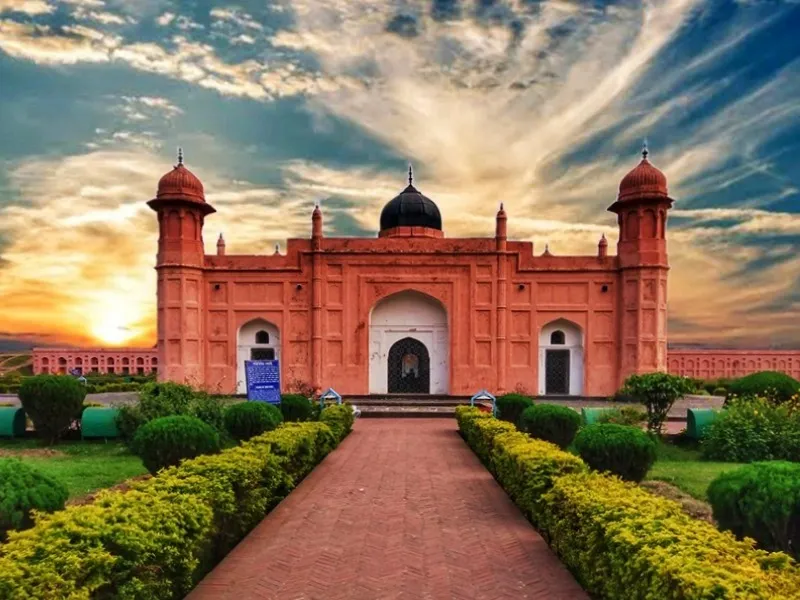
This unfinished 17th-century Mughal fort continues to charm visitors with its mosque, gardens, and the tomb of Pari Bibi. Locals flock here in the late afternoon, and you can join them for a sunset stroll.
• Sadarghat River Port
Head to the Buriganga River and watch dozens of ferries and wooden boats crisscross the water. From a rooftop café or a small boat, you witness one of the most dramatic and photogenic scenes in Dhaka.
• Rickshaw Art Tour
Dhaka’s rickshaws double as moving artworks. A rickshaw art tour lets you ride through neighbourhoods while you photograph the hand-painted panels and decorations that make each vehicle unique.
• Old Dhaka
In Old Dhaka, you wander narrow alleys lined with old mansions, mosques, temples, and buzzing markets. You might stop at Shakari Bazaar (Hindu Street), sample sweets, and watch craftspeople at work. This area often becomes the highlight of a Dhaka tour.
2. Sundarbans – The Mangrove Wonder
The Sundarbans—the world’s largest mangrove forest and a UNESCO World Heritage Site—belongs on every nature lover’s list. Here, land dissolves into water in an intricate network of creeks, channels, and islands.
A guided Sundarbans cruise lets you:
– Search for the Royal Bengal Tiger, saltwater crocodiles, spotted deer, monkeys, irrawaddy dolphins, and otters
– Watch kingfishers, storks, eagles, herons, and countless other birds
– Anchor in quiet creeks at night and listen to the forest come alive
On our Bangladesh wildlife tours, expert naturalists accompany you, helping you interpret animal behaviour and explain how local communities manage the delicate balance between survival and conservation.
3. Bagerhat – City of Mosques
Bagerhat, near the Sundarbans, is another UNESCO site that showcases the architectural legacy of 15th-century Bengal. Turkish general Khan Jahan Ali founded this medieval city and filled it with mosques and public works.
Highlights include:
– Sixty Dome Mosque (Shat Gombuj Masjid) – A masterpiece of brick architecture
– Smaller historic mosques surrounded by serene ponds and greenery
– The shrine of Khan Jahan Ali, which draws pilgrims and visitors alike
Together, these structures narrate the story of Islam’s spread through Bengal and the rise of a distinctive local style of mosque architecture.
4. Paharpur – Ancient Buddhist Monastery
At Somapura Mahavihara in Paharpur, you walk inside the remains of one of the largest Buddhist monasteries in the Indian subcontinent, dating back to the 8th century.
The site features:
– A vast central temple complex
– Monk cells and courtyards are arranged in a giant rectangle
– Terracotta plaques that depict scenes from daily life and religious myths
As one of Bangladesh’s most significant UNESCO World Heritage Sites, Paharpur offers a quiet, contemplative atmosphere and a powerful link to the country’s Buddhist past.
5. Sylhet – Tea Gardens & Spiritual Shrines
Sylhet blends lush scenery with deep spiritual traditions. Many travellers fall in love with its cool air, misty hills, and reflective atmosphere.
Key experiences include:
• Tea Gardens
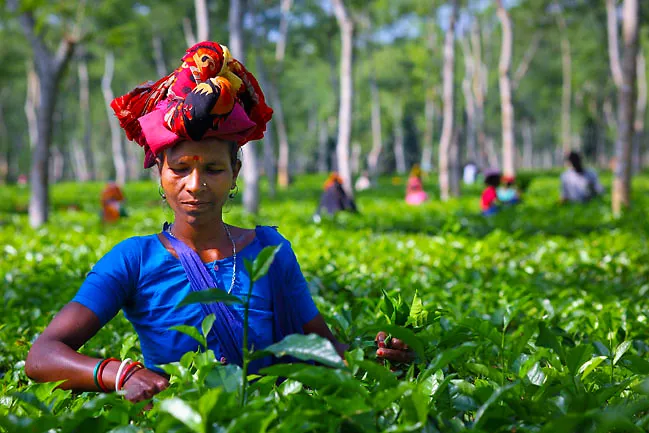
Walk through rolling hills carpeted with tea bushes. Watch pickers at work, visit processing factories, and sip fresh tea at its source.
• Ratargul Swamp Forest
Glide by boat through this freshwater swamp forest, gorgeous during monsoon season when trees rise from still, mirror-like waters.
• Jaflong
This river valley offers views of India’s Khasi Hills and a glimpse of local stone collection along the riverbed. The scenery feels calm, green, and soothing.
• Sufi Shrines
Shrines such as Hazrat Shah Jalal’s attract pilgrims year-round. A respectful visit reveals how Sufism shapes the spiritual life of many Bangladeshis.
6. Bandarban & Rangamati – The Chittagong Hill Tracts
The Chittagong Hill Tracts (CHT)—including Bandarban and Rangamati—present another side of Bangladesh: hills, lakes, and a mosaic of tribal cultures.
In this region, you can:
– Trek to viewpoints like Nilgiri Hills and to high-altitude spots like Boga Lake
– Take boat trips on Kaptai Lake and visit lakeside villages
– Explore colourful markets where indigenous communities sell textiles, produce, and crafts
– Observe traditional weaving, bamboo architecture, and daily village life
A Hill Tracts tour in Bangladesh combines some of the country’s best trekking with rich cultural immersion.
7. Cox’s Bazar – The Longest Sea Beach in the World
Cox’s Bazar stretches for more than 120 km along the Bay of Bengal, earning its reputation as one of the longest natural sea beaches on Earth.
Here you can:
– Relax on the sand and watch glowing sunsets
– Visit quieter sections like Inani Beach if you prefer space and calm
– Join locals for an evening stroll, sample seafood, or watch fishermen bring in their catch
– Travel to Saint Martin’s Island, Bangladesh’s only coral island, for snorkelling, fresh fish, and a slower island pace
Cox’s Bazar fits perfectly at the end of a Bangladesh itinerary when you want to unwind after days of city and countryside exploration.
Food & Cuisine – What to Eat in Bangladesh
Bangladeshi cuisine offers rich, layered flavours, often with a spicy kick. Rice, fish, and lentils anchor most meals, and regional specialities keep your taste buds busy.
Make sure you try:
• Hilsa Fish Curry
The national favourite. Shorshe Ilish (Hilsa cooked in mustard sauce) captures the country’s river heritage in a single dish.
• Biryani
Fragrant rice layered with spiced chicken or mutton, especially beloved in Dhaka. Many travellers consider it a must on every visit.
• Street Snacks
– Fuchka – Crisp shells filled with spicy potato and tangy tamarind water
– Chotpoti – Spiced chickpeas with potatoes and tamarind
– Jhalmuri – Puffed rice mixed with mustard oil, chillies, and chopped vegetables
• Vegetarian Options
Dal (lentil soup), seasonal vegetable curries, fried eggplant, and other dishes give vegetarians plenty of choice.
• Sweets
Rasgulla, Sandesh, Mishti Doi (sweet yoghurt), and countless regional sweets showcase Bangladesh’s love for milk-based desserts.
Most Western visitors describe Bangladeshi food as bold, comforting, and surprisingly diverse—ideal for foodies who want to go beyond familiar dishes.
Shopping in Bangladesh
• New Market (Dhaka)
A bustling bazaar where you bargain for clothes, fabrics, books, and souvenirs. The energy alone makes it worth a visit.
• Aarong
Bangladesh’s best-known fair-trade lifestyle brand. Here you find high-quality textiles, handicrafts, clothing, and home décor while directly supporting artisans.
• Tribal Markets in Bandarban
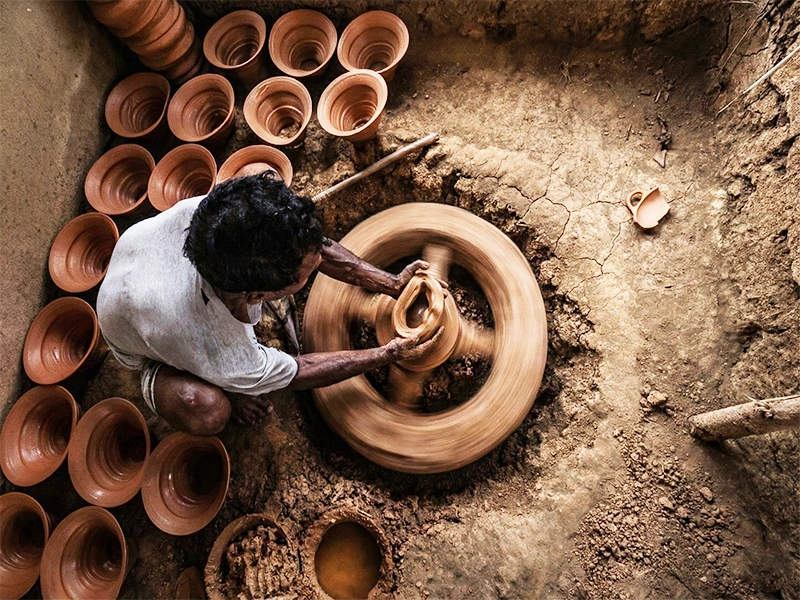
Browse bamboo crafts, handwoven textiles, and jewellery produced by indigenous communities. These pieces often carry stories and traditions you can learn about from the sellers themselves.
• Sylhet Tea
Take home packaged tea from local estates as a simple, flavourful reminder of your time among the tea gardens.
Eco-Tourism & Offbeat Adventures
• Nijhum Dwip (Silent Island)
A quiet island in the Bay of Bengal where you can spot spotted deer, birds, and endless stars in the night sky. Ideal for travellers who want silence and nature.
• Kuakata Sea Beach
Known as the “Daughter of the Sea,” Kuakata gives you the rare chance to watch both sunrise and sunset over the ocean from the same beach.
• Madhabkunda Waterfall
One of Bangladesh’s largest waterfalls is set in a lush forest in the Sylhet region. A short hike leads you to the base, where you can feel the spray.
• Barisal Floating Markets
At dawn, boats loaded with fruits and vegetables gather on the canals. You glide among them to watch trading unfold on the water—one of the best hidden gems in Bangladesh and a dream for photographers.
Photography Tips for Bangladesh
• Golden Hour on the Rivers
Capture fishermen casting nets at sunrise and sunset for dramatic silhouettes and warm reflections.
• Rickshaw Art
Zoom in on painted rickshaw panels and decorations—you’ll get colourful, uniquely Bangladeshi street shots.
• Portraits
If you ask politely and smile, many locals are happy to pose. Showing them the photo on your camera or phone usually earns another smile and sometimes a new friend.
• Festivals
Colourful costumes, processions, and rituals create dynamic scenes full of movement and emotion.
Festivals & Events Worth Experiencing
• Pohela Boishakh (Bengali New Year)
In April, parades, music, masks, and traditional food fill streets and parks. The celebration showcases the cultural pride of the Bengali people.
• Durga Puja
A major Hindu festival marked by elaborate decorations, clay idols, and community feasts. Visiting pandals (temporary temples) becomes a highlight.
• Eid-ul-Fitr & Eid-ul-Adha
Islamic festivals that bring families together and fill streets with a special festive energy. You experience generosity and hospitality at every turn.
• Bishwa Ijtema
One of the world’s largest Muslim congregations is held near Dhaka. Even if you don’t attend the main gathering, you feel its presence throughout the city.
• Raas Festival in Sylhet
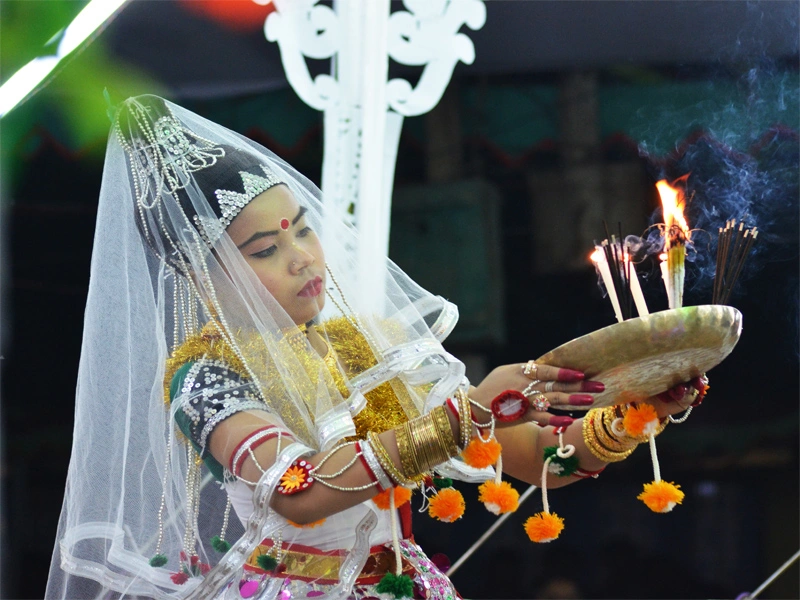
A celebration of the Manipuri Hindu community culture with performances, tastings, and local events that highlight the region’s identity.
Insider Travel Tips
• Dress Modestly
Loose, modest clothing helps you respect local norms, especially in rural and religious areas, and makes you feel more comfortable.
• Use “Salam.”
A simple “Assalamu Alaikum” often opens conversations and earns instant warmth.
• Say Yes to Tea
Expect frequent invitations to share tea. Accepting them leads to stories, laughter, and deeper connections.
• Go Slow
Traffic, rural roads, and weather can stretch travel times. Build buffer time into your itinerary for Bangladesh and treat delays as part of the experience.
• Get a Local SIM Card
A local SIM makes it easy to use maps, ride apps (where available), and stay in touch with your guide. It’s inexpensive and straightforward to set up.
• Hire Local Guides
A good guide from a trusted company like Panorama Bangladesh can unlock stories, shortcuts, and cultural insights. You see more, understand more, and travel with less stress.
• Bring Patience & Curiosity
Bangladesh can feel intense on day one—but if you arrive with an open mind and a flexible attitude, the country rewards you with kindness, depth, and unforgettable moments.
A Journey Worth Taking
Bangladesh defies almost every expectation. You don’t just tick off sights—you step into living history, immerse yourself in vibrant culture, and witness raw natural beauty that still feels largely undiscovered.
For Western travellers who want something different, honest, and deeply human, Bangladesh delivers.
With Panorama Bangladesh as your guide, your first trip becomes seamless, safe, and genuinely transformative. From Dhaka’s rickshaw-filled streets to the Sundarbans’ silent creeks, from tea gardens to hill villages, your story in Bangladesh is ready to begin.