📜 Experience Overview
Bangladesh Birdwatching Master Tour — Masked Finfoot, Night-Herons & Hill-Forest Specials (Private, 12D/11N)
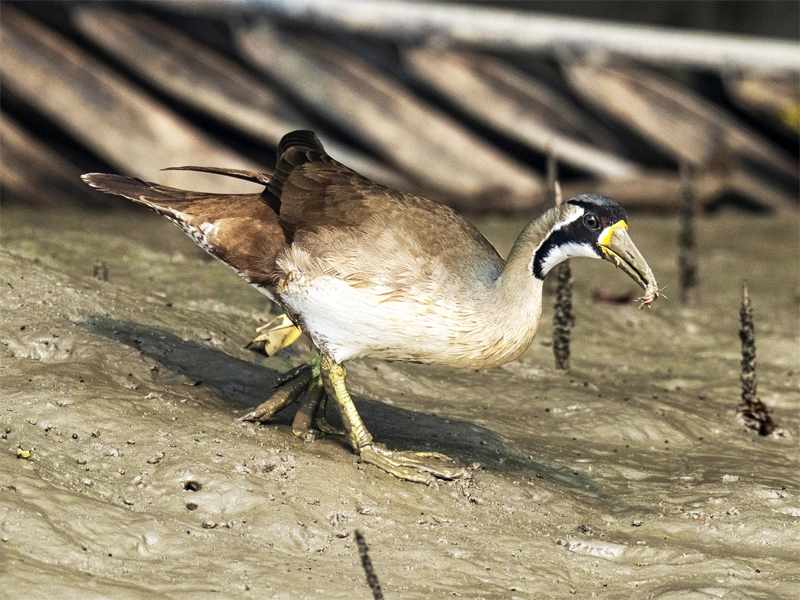
If you live for the thrill of a lifer, this 12-day birdwatching odyssey in Bangladesh is built for you. Imagine drifting silently down a mangrove creek when a Masked Finfoot slips out of the shadows… or watching a White-eared Night Heron melt into dusk. This is no casual add-on to sightseeing — it’s a bird-first design from the ground up, crafted for serious birders and wildlife photographers.
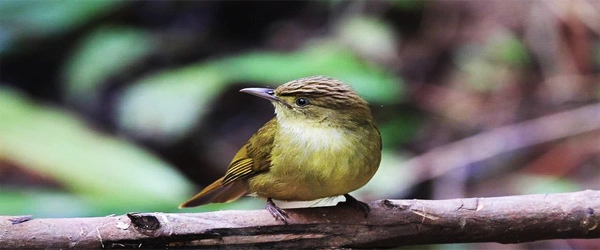
You begin in the evergreen forests of Satchari and Lawachara, where the air rings with gibbon song and target birds include Cachar Bulbul, White-cheeked Partridge, a suite of woodpeckers, minivets and winter thrushes.
Moving into rich wetlands, Baikka Beel is alive with spectacle: rafts of Ferruginous Duck, elegant Asian Openbills, jacanas skipping across lily pads, harriers quartering the reedbeds and ibises tilting against the sky.
Next, the Padma River grasslands demand patience and precision. Here you’ll tease Striated Babbler from reed walls, stalk White-tailed Stonechat, chase the song of Bengal Bushlark, and search carefully for Baikal Bush Warbler — with an outside shot at Long-billed Bush Warbler. Above you, a Red-necked Falcon may scythe through the air while Grey-throated Martins skim the river.
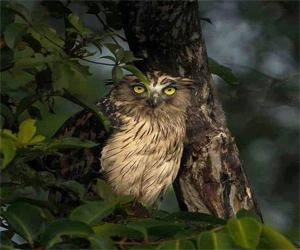
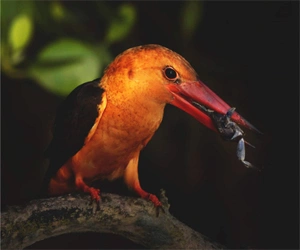
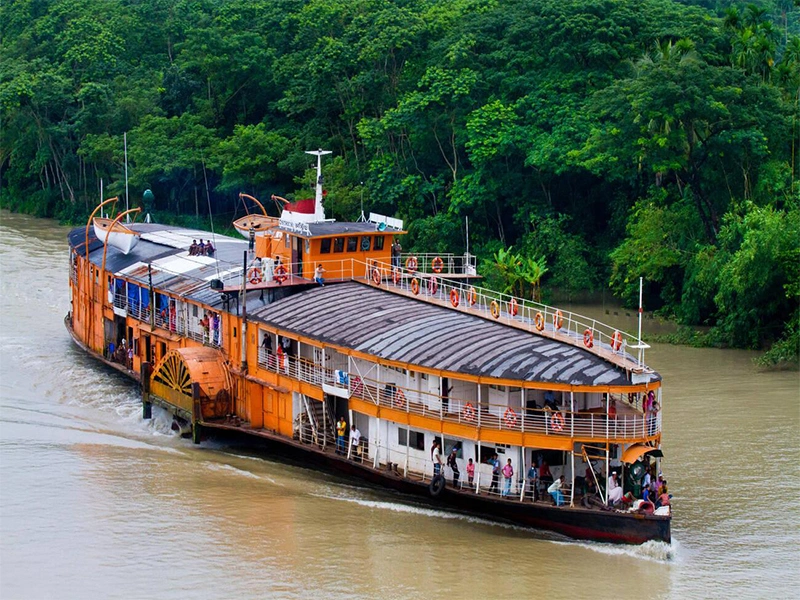
And then — the climax. Five full days living aboard a small riverboat in the Sundarbans, the planet’s largest mangrove forest. The checklist turns magical: Mangrove Pitta, Brown-winged and Ruddy Kingfishers, Buffy Fish Owl, White-bellied and Grey-headed Fish Eagles, plus shorelines alive with plovers and whimbrels. Between tides, Ganges and Irrawaddy Dolphins surface bright in the channels, while red-filter spotlights after dark may reveal owl eyes or even the soft prowl of a Mainland Leopard Cat.
💡 Pro Tip: This is a definitive birdwatching tour of Bangladesh — precise timing, long tide windows for finfoot, dawn circuits in hill forests, silent skiff drifts in the Sundarbans and a pace tuned for both photography and clean lists. For birders chasing specialities and rare encounters, this is Bangladesh as you’ve never seen — or heard — it before.
⭐ Signature Highlights
📍 Journey at a Glance
➕ Optional Add-Ons
📸 Photo Assist Hour: Hands-on help for better street portraits and composition.
🧵 Rickshaw-Art Mini Demo: Meet an artist and learn how the panels are painted.
🚤 Extended River Loop: Extra 30 minutes on quieter channels at golden hour.
💵 Tour Price & Offers
🔒 Exclusive Dhaka Discovery – Affordable Private Experience
💲 Start: The first 1–2 guests are a flat fee of $180 USD total
➕ Add-On: Each additional guest (up to 2 more) is $70 USD per person
👥 Maximum Group Size: 6 guests total
🚐 Custom Tour? Solo, groups & families — contact us for a personalised quote
Your Day, Your Way – Fully Tailored Experience
 Special Offer
- Save 10% when you book 60+ days in advance.
- Multi-Tour Bonus: Book 1+ days Panorama Bangladesh tours and receive a handicraft souvenir.
- Free Airport Transfer: Complimentary airport transfers with any multi-day Panorama Bangladesh tours.
 Fair Pricing Promise
- Transparent Inclusions: All listed entry fees, rickshaw & boat rides are included.
- No Surprise Costs: No “factory” visits or shopping commissions—ever.
 Free Rescheduling & Cancellation
- Complimentary Rescheduling: Change your date up to 72 hours before the tour (subject to availability).
- Fair Cancellation: Full refund if cancelled at least 30 days before the tour; see the cancellation policy.
🔍 Seeking a Guaranteed Fixed Departure or Tailored B2B Tours in Bangladesh?
We’ve got you covered.
- ☎️ Contact Bangladesh Unbound — our parent company — for
- ✅ Scheduled Group Tours ✅ Custom B2B Itineraries ✅ DMC Partnerships ✅ Corporate & Delegation Travel
 www.bangladeshunbound.com |
  info@bangladeshunbound.com |
  WhatsApp: +880 1601-652679
🛑 Inclusions & Exclusions
✅ What's Included
❌ What's Not Included
♿ Accessibility & Special Requests
- Step Minimisation: We minimise steps where possible and plan closer vehicle pick-ups and drop-offs.
- Family Pacing: Shorter walking segments, snack stops & flexible pacing available on request during tour.
- Dietary Adaptations: Vegetarian, vegan and gluten-free meal options available with advance notice.
🎯 Trip Advice & Responsibilities
🌍 Responsible Travel Pledge
🤝 Ethical, Community First Travel: We ensure fair pay for guides, drivers, boat crews, artisans, and local families. We support community-led enterprises and ethical craft traditions with dignity and respect.
🗑️ Leave No Trace: We minimise waste on every tour and take out everything we bring in. Nature and communities remain exactly as we found them—or better.
🐦 Wildlife Comes First: No baiting, no chasing, no disturbance. We avoid flash photography around animals and always respect ethical viewing distances.
🕌 Cultural Respect Always: Dress modestly in sacred spaces, behave respectfully, and ask permission before taking close-up portraits of people—especially elders, artisans, and children.
🌱 Carbon-Aware Travel: We prioritise CNG-Powered and Fuel-Efficient (Hybrid) vehicles whenever possible. Remaining emissions are offset through local tree-planting initiatives in Bangladesh.
🗺️ Tour Map
📽️ Bangladesh Video
🌟 Why Choose Panorama Bangladesh for This Tour?
 Private Experience Only – This is a fully private tour designed just for you. No mixed groups, no rigid schedules.
 Hidden Heritage Access – Our licensed guides take you beyond the obvious, showing you what most never see.
 Expert Local Guides – Our English-speaking guides combine historical knowledge, storytelling & cultural insight.
 No Shopping Detours – We never waste your time in commission-based shops. Spend your time in exploration.
 Cosy Private Transport – Travel in a clean, air-conditioned vehicle with a professional driver for a safe journey.
 Photographer-Friendly – The itinerary is thoughtfully crafted with great photo opportunities all day long.
 Flexible Pacing – Travel at your own pace. You decide where to linger, take full control throughout the tour.
 International Travellers Focused – Our tours balance history, culture, comfort, and authentic local encounters.
 Transparent Pricing – No hidden costs. Entry tickets, guiding, transport, and experiences are all included.
🧭 Ready to Explore Dhaka?
✨ Don't just see Dhaka—experience it privately, your way.
🛠️ Prefer Something Custom or Want to Add Unique Experiences?
We’re happy to tailor the journey to your interests.
Get in touch with us anytime for a quick quote and custom tweaks.
info@panoramabangladesh.com | WhatsApp: +880 1601-652669